

How to Predict Baby Gender Using a Pendulum
Expectant parents are often curious about the gender of their unborn baby. Whether the curiosity is simply for fun or part of a family tradition, many methods have been used over the years to predict whether a baby is a boy or a girl. While modern medical techniques provide the most reliable answers, traditional dowsing with a pendulum remains a popular practice.
This guide explains how to use a pendulum for baby gender prediction, how to perform the test, important considerations, and other traditional methods that have been used throughout history.
Using a Pendulum to Predict Baby Gender
For centuries, expectant parents have used pendulums to predict the gender of an unborn child. This practice is a form of dowsing and remains popular among people who enjoy traditional methods of seeking answers.

From a scientific perspective, pendulum dowsing is generally regarded as a form of divination rather than a medically accepted method of determining a baby’s sex. Even so, many experienced dowsers continue to use it as an enjoyable personal exercise and believe their results can be surprisingly consistent.
If you decide to perform this test, consider repeating it over several days to see whether you receive the same response each time.
Pendulum Test Procedure
Choose a Pendulum
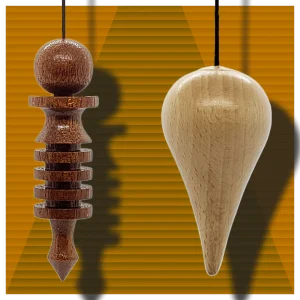
Almost any pendulum can be used for this purpose. Brass, wood, and crystal pendulums are all suitable choices. There is no need to specially program the pendulum if you are using the movement method described below.
Method 1: Observe the Pendulum’s Movement
Hold the pendulum approximately one inch (2–3 cm) above the expectant mother’s abdomen and allow it to become still before observing its natural movement.
Traditional folklore suggests:
- Back-and-forth or straight-line movement: Boy
- Circular movement: Girl
These interpretations are part of traditional dowsing practices and are not medically validated.
Method 2: Ask Direct Questions
Another approach is to ask specific questions, such as:
“Is _____’s unborn child a boy?”
Observe the pendulum’s programmed response.
Then ask:
“Is _____’s unborn child a girl?”
The pendulum should respond differently. If both questions receive the same response, either the reading is incorrect or additional investigation may be needed.
If you normally use an inquiry-style pendulum that has been trained to answer Yes and No, simply follow your usual programmed responses and continue asking additional questions if appropriate.
Tips and Considerations
Ask Permission
Always ask the expectant mother’s permission before dowsing on her behalf. Some parents prefer not to know the baby’s gender before birth, while others may simply wish to keep that information private.
Repeat the Reading
Many dowsers prefer repeating the test several days later to determine whether the results remain consistent.
Cultural Differences
Different cultures interpret pendulum movements differently. The meanings described here represent one traditional approach and may vary elsewhere.
Keep the Results in Perspective
Pendulum dowsing should be viewed as a traditional practice rather than a substitute for medical testing. Modern medical procedures provide the most dependable means of determining a baby’s sex. Many people enjoy using both approaches—medical information for confirmation and pendulum dowsing as an enjoyable personal tradition.
Other Traditional Baby Gender Prediction Methods

Morning Sickness: More severe morning sickness was sometimes thought to indicate a girl.
Food Cravings: Craving sweets was often associated with girls, while salty or savory foods were believed to suggest boys.
Baby’s Heart Rate: A fetal heart rate above 140 beats per minute was traditionally said to indicate a girl, while a slower rate suggested a boy.
Chinese Gender Chart: An ancient chart based on the mother’s lunar age and the month of conception.
Wedding Ring Test: Suspending a wedding ring over the abdomen and observing its movement. This tradition closely resembles pendulum dowsing.
Facial Changes: Some believed that a fuller face suggested a girl, while a leaner face suggested a boy.
Modern Medical Methods
Today’s medical technology offers several reliable ways to determine a baby’s sex during pregnancy.
Ultrasound
Ultrasound has been the standard non-invasive method since the 1970s. During the anatomy scan, usually performed between 18 and 22 weeks, the technician can often identify the baby’s sex by examining the developing anatomy.
Blood Tests
Non-invasive prenatal blood tests (NIPT) can often determine the baby’s sex as early as 7 weeks by detecting the presence or absence of Y-chromosome DNA in the mother’s bloodstream.
Amniocentesis
Performed primarily to diagnose chromosomal or genetic conditions, amniocentesis is usually carried out between 15 and 20 weeks and also reveals the baby’s sex.
Chorionic Villus Sampling (CVS)
CVS is another diagnostic procedure performed between 10 and 13 weeks of pregnancy. Like amniocentesis, it can identify chromosome abnormalities while also determining the baby’s sex.
Final Thoughts
Throughout history, people have developed many ways to predict a baby’s gender, from folklore and pendulum dowsing to today’s advanced medical techniques. Each method has its own place, whether for entertainment, tradition, or medical certainty. If you decide to use a pendulum, approach it with an open mind, enjoy the experience, and remember that the true excitement comes with welcoming a healthy baby into the world.
If you’d like to try this traditional dowsing method for yourself, choose a pendulum that feels comfortable and responds consistently. With practice and patience, you’ll gain confidence in your technique and enjoy exploring the many ways a pendulum can be used.
Suggested Pendulums to Use for Predicting Gender
Of course, any pendulum can be used to predict gender in this dowsing task, but here are a couple of suggestions.


Head over to PendulumsPlus for our complete selection of pendulums.
PendulumsPlus

Difference Between Dowsing and Divining
Table of Contents What is the Difference Between Dowsing and Divining? I’ve always wondered is there a difference between dowsing and divining? Do the terms

Locate Lost Items Using a Pendulum
Locate Lost Items Using a Pendulum Using a Pendulum to Find Lost Items For centuries, people have been intrigued by the mystical realm of metaphysics

How to Test Herbs Using a Pendulum
How to Test Herbs Using a Pendulum In my previous blog post, we explored the intriguing world of testing vitamins with a pendulum. While vitamins

How to Test Vitamins Using a Pendulum
How to Test Vitamins Using a Pendulum Many people use a pendulum to test vitamins as part of their personal wellness routine. Rather than choosing

Dowse the Vitality of Foods Using a Pendulum
Why Dowse the Vitality of Foods Using a Pendulum? Assessing the vitality of foods through practices such as dowsing with tools like pendulums offers several

Predict the Gender of an Unborn Baby Using a Pendulum
How to Predict Baby Gender Using a Pendulum Expectant parents are often curious about the gender of their unborn baby. Whether the curiosity is simply
Ask Permission
Ultrasound